A promising product idea is only the starting point. Turning that idea into something people genuinely want to use requires research, planning, collaboration and a clear understanding of the problem the product is intended to solve.
This is where effective product management becomes essential. Product managers sit at the point where customer needs, commercial objectives, technology and development all meet, helping teams decide not simply what to build, but why it should be built in the first place.
Starting With the Problem
It can be tempting to begin product development by thinking about features. A team might have an exciting idea for an app, platform or digital service and immediately start considering how it should look and what it should do.
A stronger approach is to begin with the problem.
Who is experiencing it? How significant is it? What are they currently doing to solve it? Would they actually pay for a better solution?
Answering these questions can prevent businesses from investing time and resources in products that are technically impressive but fail to address a genuine customer need.
Keeping Everyone Moving in the Same Direction
Product development often involves people with very different priorities. Developers are concerned with technology and feasibility, designers focus on usability, marketing considers positioning and customer acquisition, while senior leaders need to understand the commercial opportunity.
Product management helps bring these perspectives together.
By establishing clear priorities and maintaining a shared product roadmap, teams can understand what they are working towards and why particular decisions have been made. This can reduce confusion and help prevent projects from becoming overloaded with features that add complexity without delivering meaningful value.
Learning From Real Customers
Launching a product does not mean the work is finished. Some of the most useful information comes after customers begin using it.
Feedback, usage data, customer conversations and performance measures can reveal what is working and where improvements are needed. Product managers can use this information to decide what should be changed, developed further or removed altogether.
This creates a more responsive approach to development. Rather than assuming the original plan is perfect, teams can continually refine the product based on evidence.
Building Products That Have a Purpose
Successful product management is ultimately about maintaining a connection between the product, the customer and the wider business strategy.
The best products are not necessarily those with the longest list of features. They are the ones that solve meaningful problems, provide a good experience and continue to evolve as customer needs change.
With effective product management, a good idea has a much better chance of becoming a genuinely useful and commercially successful product.
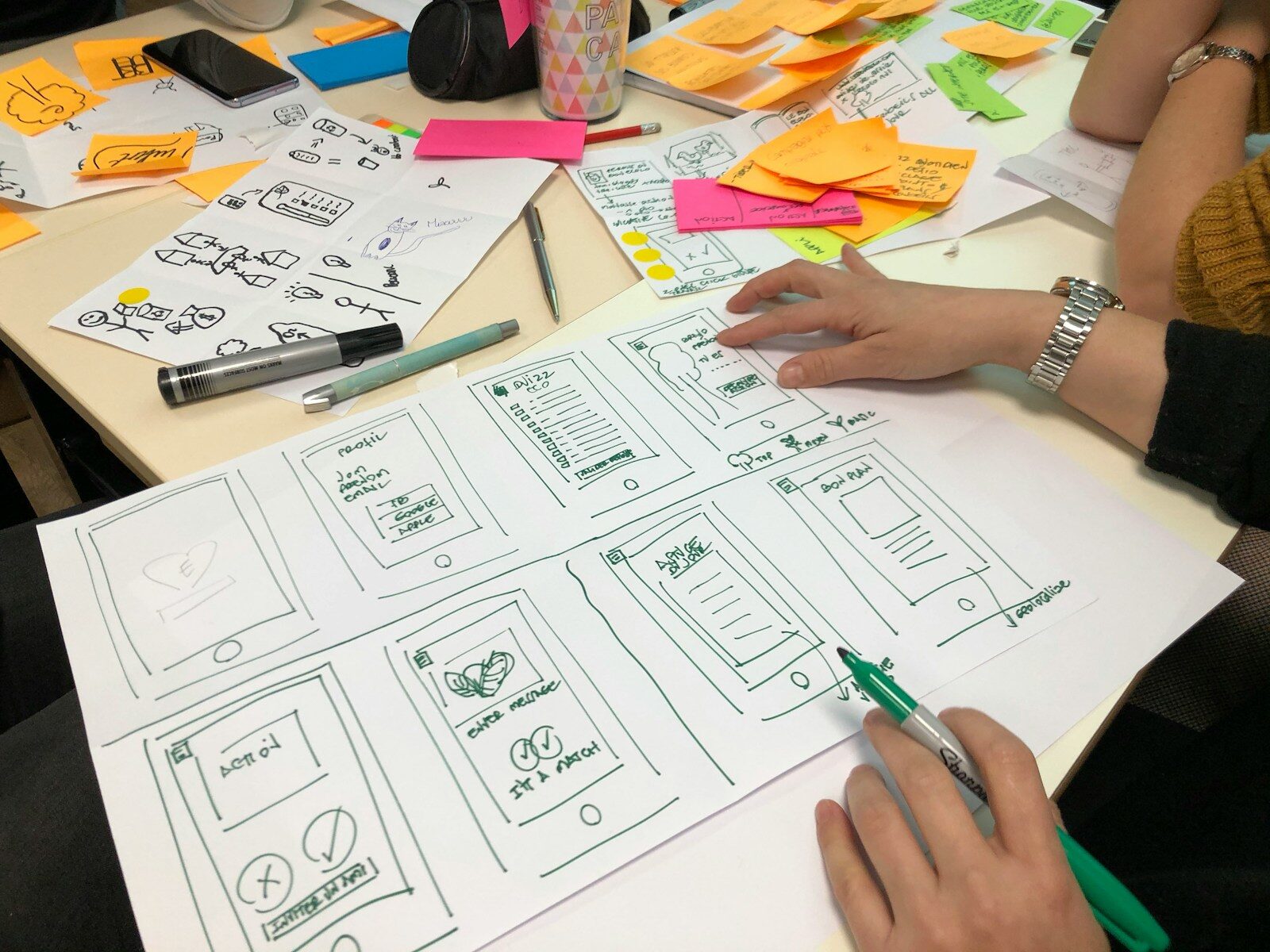
Photo by Amélie Mourichon.